Vocabulary Flashcards with AI: Bilingual, Visual, and ESL-Ready Templates
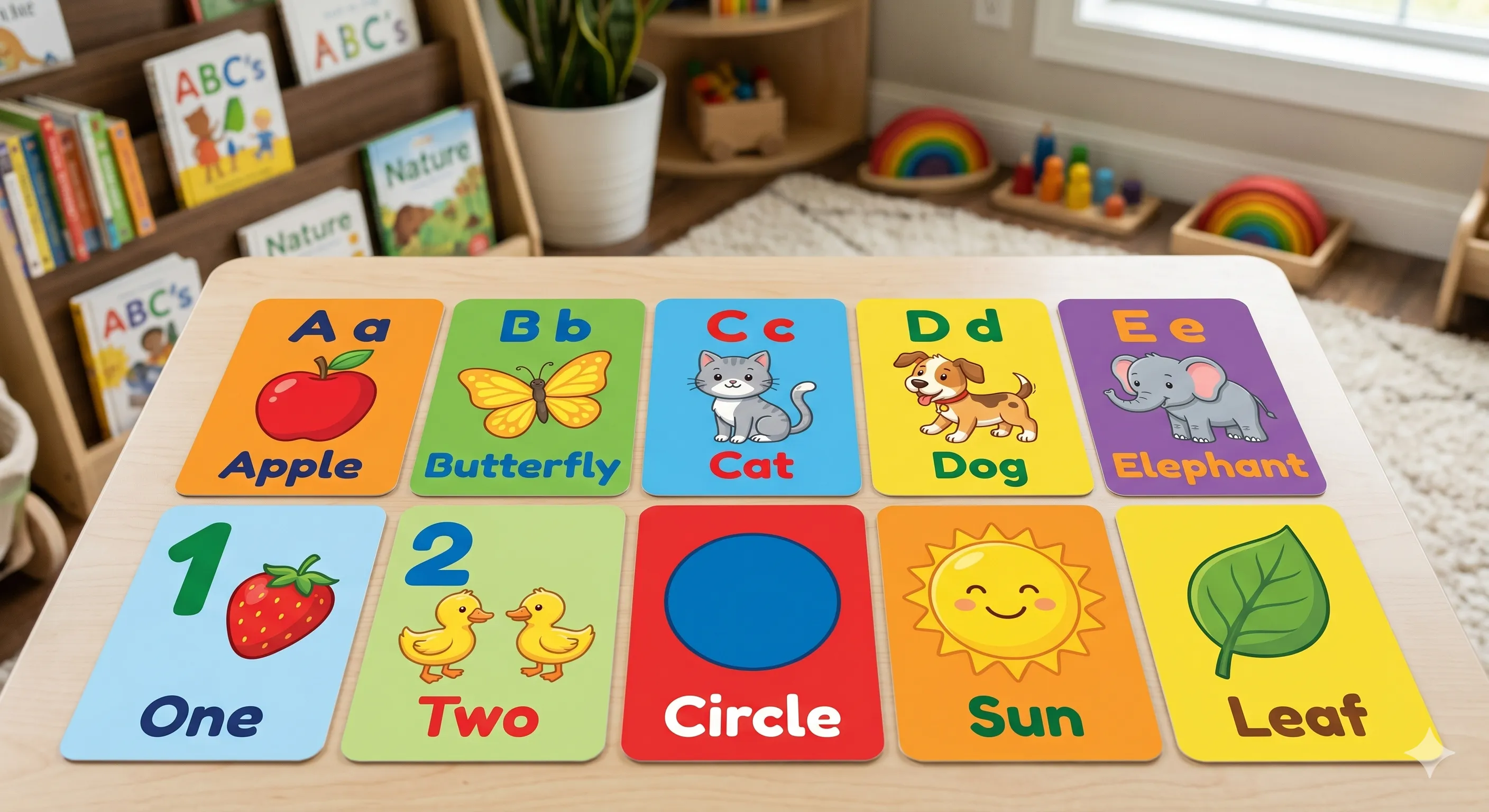
Vocabulary flashcards are the workhorse of language learning. A serious Spanish learner runs through 2,000+ flashcards in their first year; an ESL student moving to a new country runs through tens of thousands. The format has been the same since paper index cards in the 1950s — word on one side, translation on the other. The limitation of that format is the missing third side: *the picture*. A word + translation tells you what something is called in two languages. A word + translation + accurate picture tells you what the *thing* is, which is what the language is actually pointing at. AI vocabulary flashcards put the picture back. Four template types cover the full spectrum from beginner picture flashcards through bilingual labeled cards through verb-action stick figures to detailed word-illustration cards.
What the missing picture costs vocabulary learners
Three concrete problems with word-only flashcards that visual templates solve:
1. Cognate confusion. *Embarazada* in Spanish does not mean *embarrassed*; it means *pregnant*. A word + translation card encourages the false cognate. A word + translation + picture of a pregnant woman closes the gap immediately.
2. Abstract-concrete fluency gap. Concrete nouns (apple, car, house) are easy from translation alone. Verbs and prepositions are harder — *to lunge*, *to glance*, *across*, *underneath*. Stick-figure illustrations of verbs and prepositional positions make the abstract concrete in a way that translation alone cannot.
3. ESL learners often lack the L1 to translate from. A child entering an English-immersion kindergarten with limited L1 vocabulary cannot use translation cards — the L1 word may not be in their working vocabulary yet. Picture-first cards bypass translation entirely and connect the English word directly to the visual referent.
Four vocabulary-flashcard template types — pick by learner level
Detailed vocab flashcard — for the intermediate self-study learner
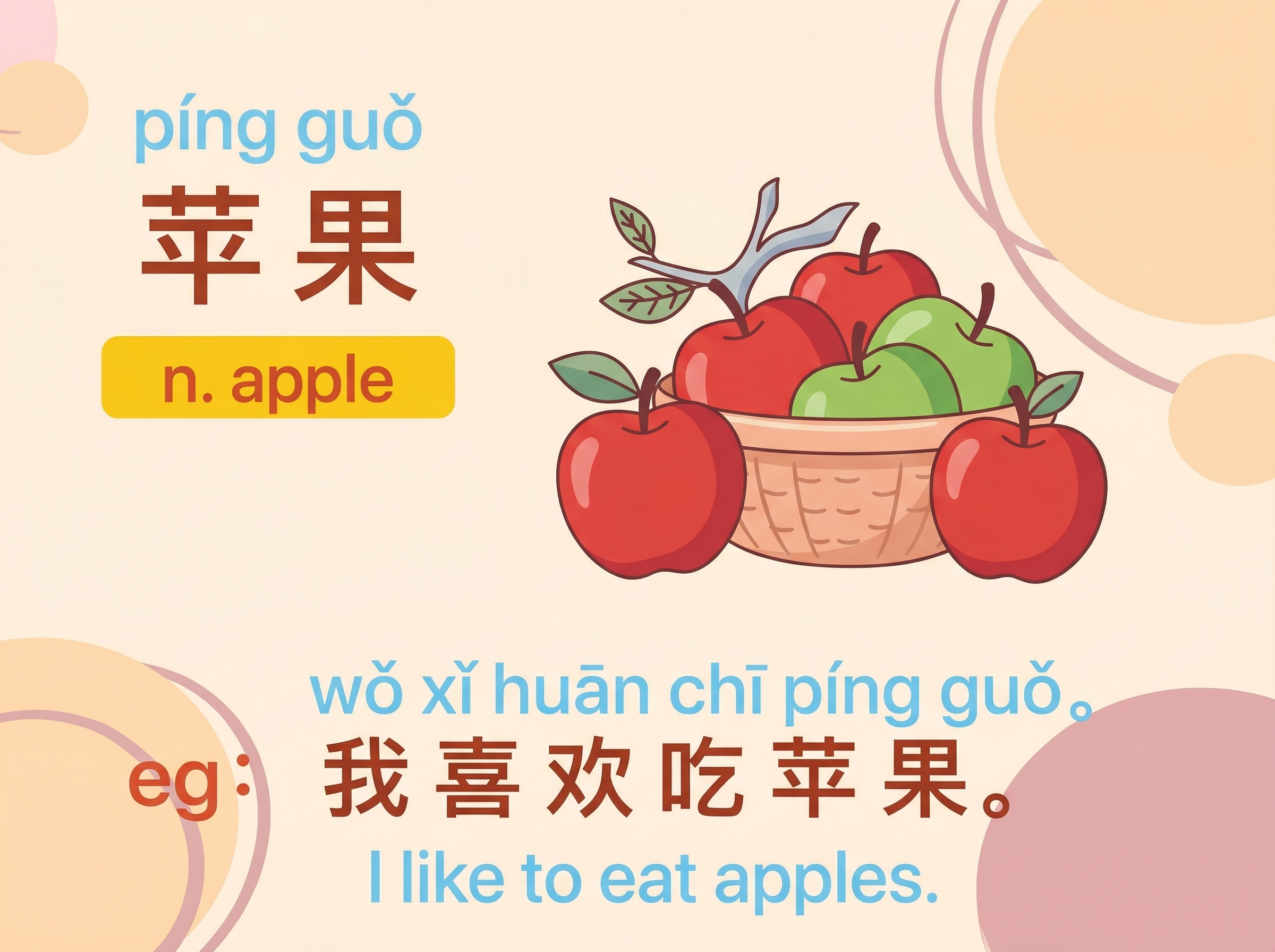
Single word per card with a detailed illustration, IPA pronunciation, part of speech, and an example sentence. This is the most information-dense format — best for the learner who has the basics and wants serious depth per word.
Open the Detailed Vocab Flashcard template →
Best for: B1-C1 language learners, ESL test prep (TOEFL, IELTS), serious self-study. The high information density per card means each card takes 2-3 review passes to fully encode — appropriate for adult learners.
Multilingual watercolor poster — for the immersion classroom
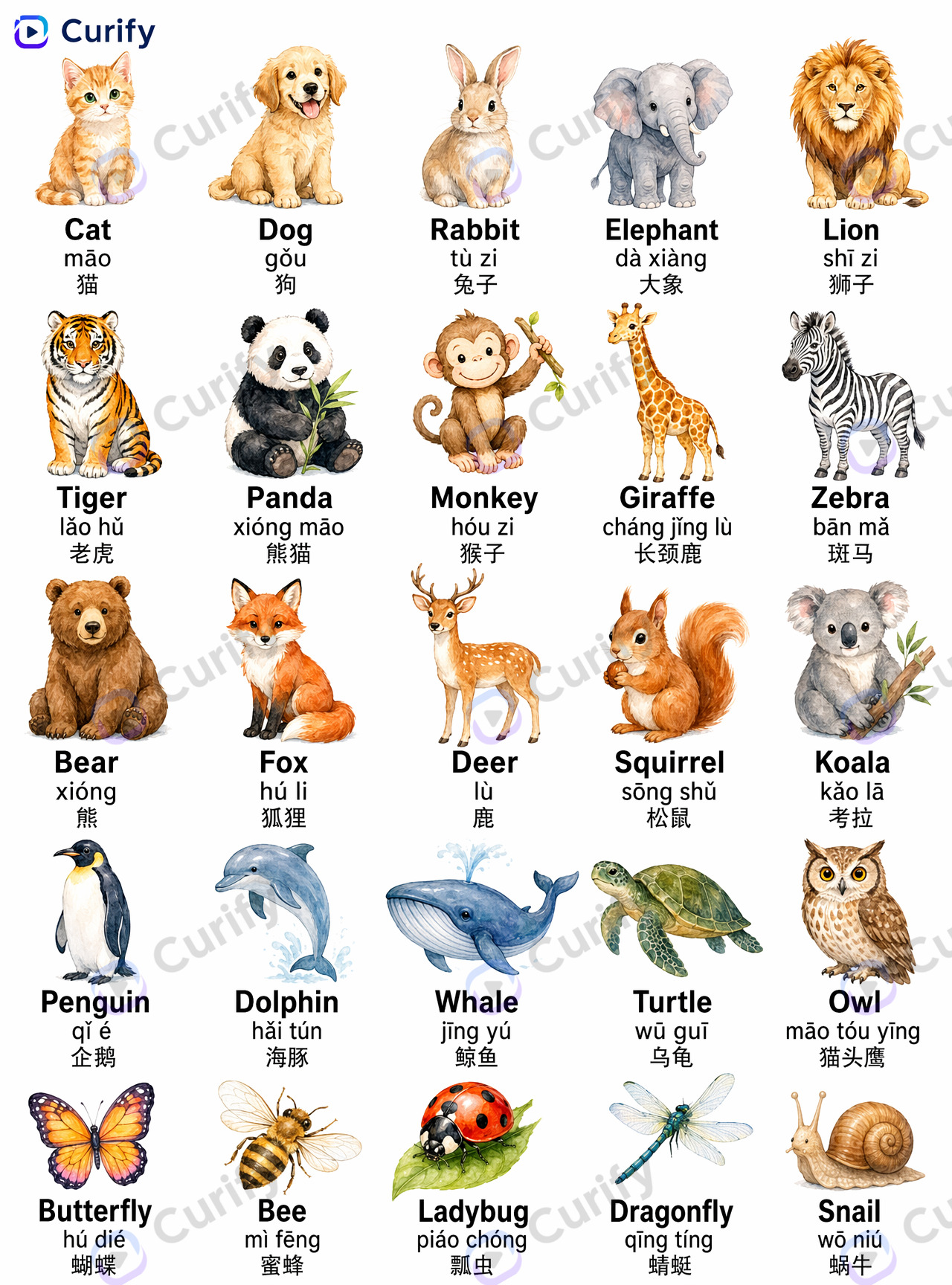
Themed sets of 9-12 vocabulary words rendered as a single watercolor poster, with pinyin / phonetic transliteration alongside the L1 word. The watercolor aesthetic + multi-language labels work well for immersion classrooms where multiple language groups share the same physical space.
Open the Multilingual Vocabulary Poster (Watercolor) template →
Best for: Mandarin / English bilingual classrooms, K-2 immersion programs, dual-language schools. The poster format lives on the wall and gets glanced at hundreds of times per week — repetition without the per-flashcard effort.
Bilingual object structure labeling — for the parts-of-an-object lesson
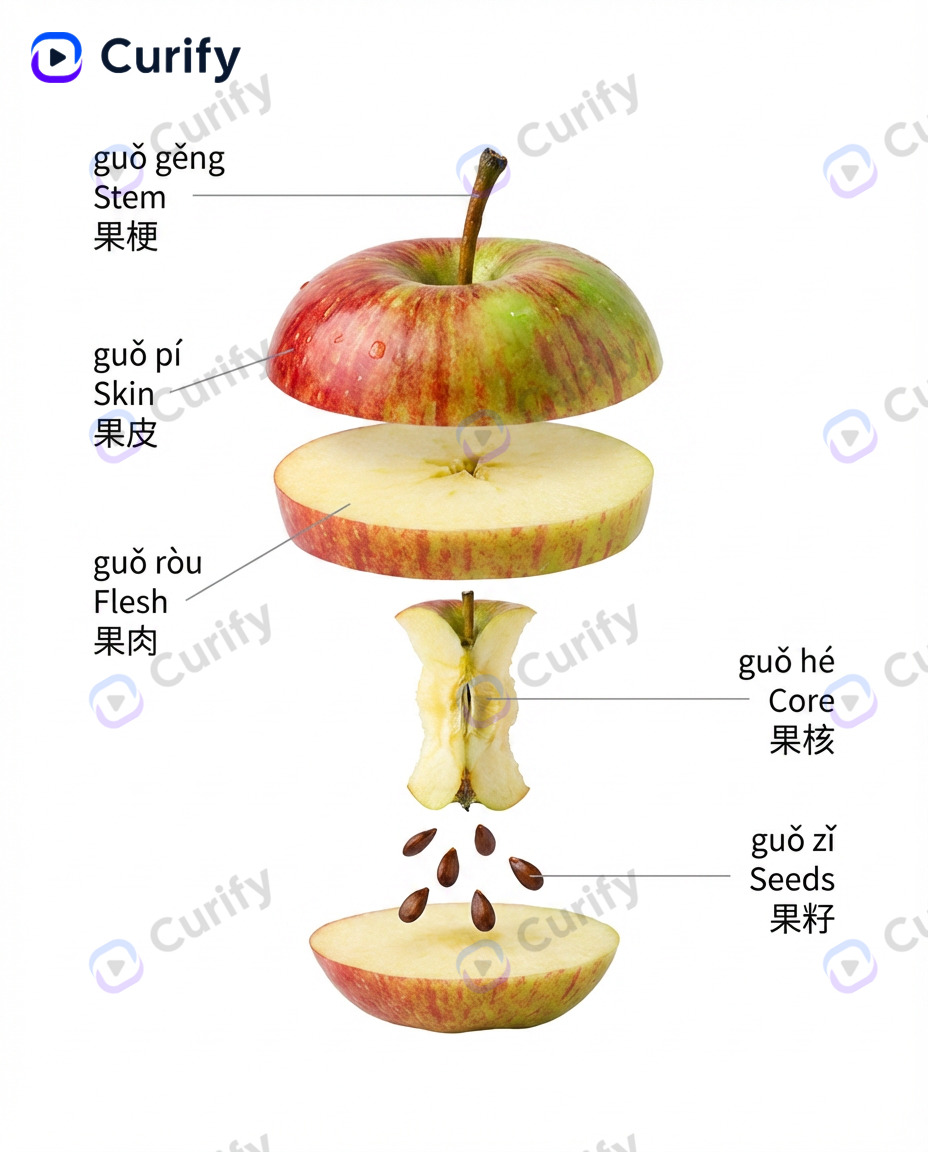
When the goal is to learn the named parts of a single object — the anatomy of a flower, the parts of a violin, the layers of a cake — the labeling template renders the object with labeled annotations in both languages.
Open the Bilingual Object Structure Labeling template →
Best for: science-meets-language lessons (anatomy + Spanish, plants + Mandarin), homeschool curriculum that integrates subjects, mid-elementary ESL transitioning from picture flashcards to compound vocabulary.
Stick-figure verb cards — for abstract verbs and body-action vocabulary
Verbs are harder than nouns in any language. A picture of *running* can show many running people; a picture of *limping* needs to clearly convey the limp. Stick-figure illustrations strip away photographic complexity and clearly show the body movement — much better recall for abstract verbs.
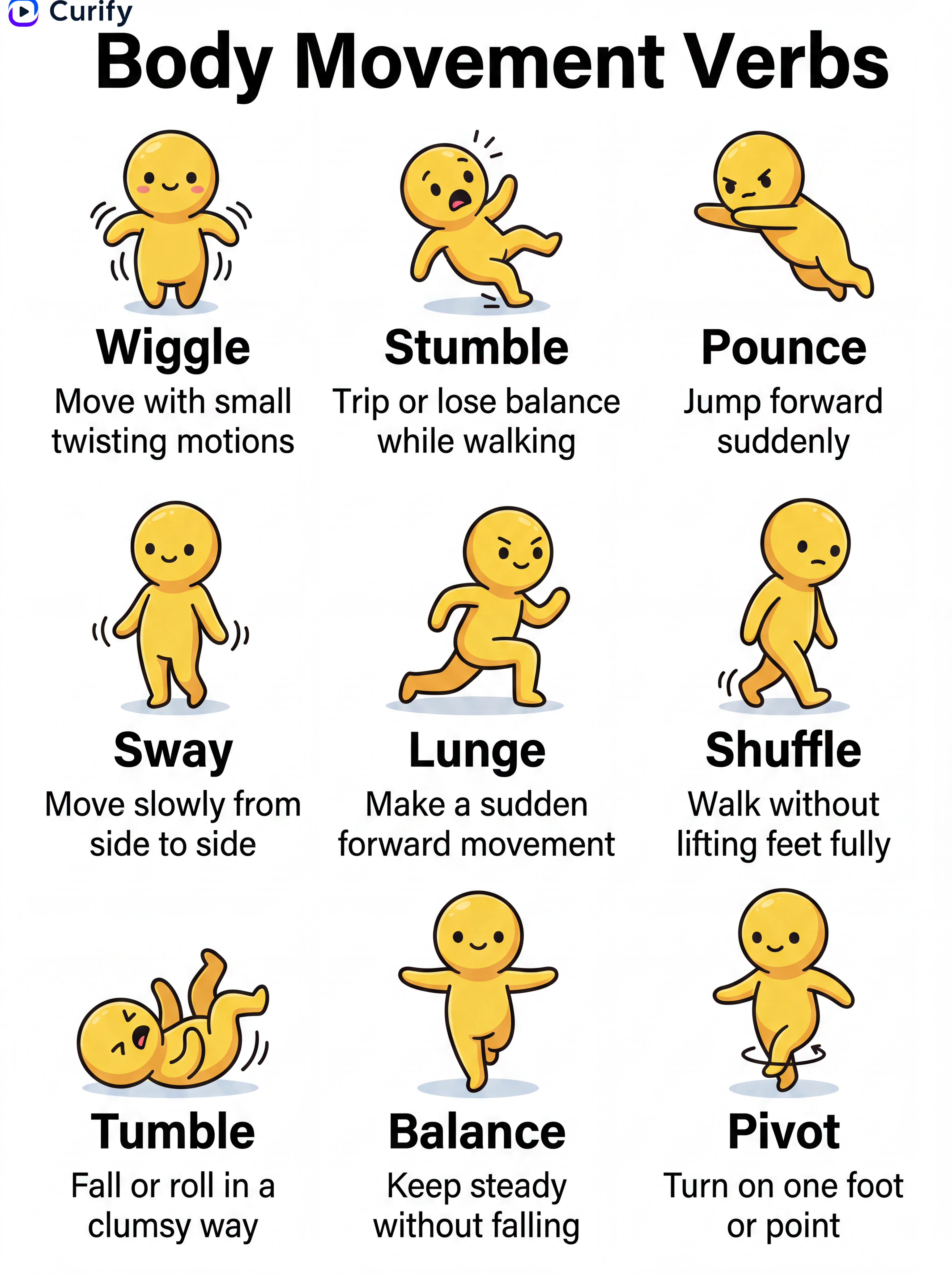
Open the Stick Figure Vocab template →
Best for: ESL beginner / intermediate students learning English action verbs, dance and movement vocabulary, sports + fitness ESL lessons. Especially strong for kinesthetic learners who imitate the action while learning the word.
Where these templates do not replace immersion
Three places the workflow has clear limits:
Flashcards build recognition; conversation builds production. Recognition memory (seeing the word and knowing it) is much easier than production memory (needing the word and recalling it). Flashcards are excellent at building recognition; they are weaker at building production. Pair with spaced-repetition recall (Anki-style) or conversation practice to build production.
Cultural context matters and a picture does not always capture it. A picture of a fork tells you what a fork is; it does not tell you the cultural significance of using the wrong hand at a meal in some cultures. For cultural vocabulary, supplement flashcards with conversation or video.
Frequency-tuned word lists outperform thematic word lists for fluency speed. A *kitchen vocabulary* deck of 30 words includes some words a learner will encounter 50x per week (knife, plate, spoon) and some they may never use (colander, mandoline, ramekin). For fastest fluency, use frequency-ranked lists; for organized memorization, thematic decks are still useful but slower.
Tools & Resources
Learn about the best tools available...
How to use Curify vocabulary templates
All four templates above are free on Curify. Workflow:
1. Pick the template that matches your level + use case (detailed for intermediate self-study, multilingual poster for classrooms, bilingual labeling for parts-of-an-object lessons, stick figures for verbs)
2. Enter your word list — frequency-ranked, curriculum, thematic, or specific vocabulary you're stuck on
3. Set the L2 language and the L1 (your translation language). Templates support 20+ language pairs.
4. Generate; iterate the visual register if needed (cartoony for K-2, photographic for adult learners)
5. Download as PDF for classroom print, or use the digital cards in a tablet app for self-study
A typical adult Spanish-from-English learner needs about 2,000 cards to reach B1 fluency. Curify's free tier covers the templates above; Pro is worth it once you scale past 5-10 decks.
Need a curriculum-specific deck (Mandarin HSK, French DELF, English TOEFL, IELTS speaking)? Reach out via /contact and we can ship a curriculum-aligned variant.
Start with one stick-figure verb deck this week
If you are studying a new language and feel stuck, start by replacing your verb flashcards with stick-figure cards for the 50 most-common verbs. Verb recall is the bottleneck for most plateaued learners, and the visual cue significantly improves recall speed. The other three template types come into play once verb confidence is solid.
Popular Template Examples
Explore our most popular Nano Banana prompt templates to see what's possible:
Take the next step
Putting what you read into practice.
Related Articles
Learning & Education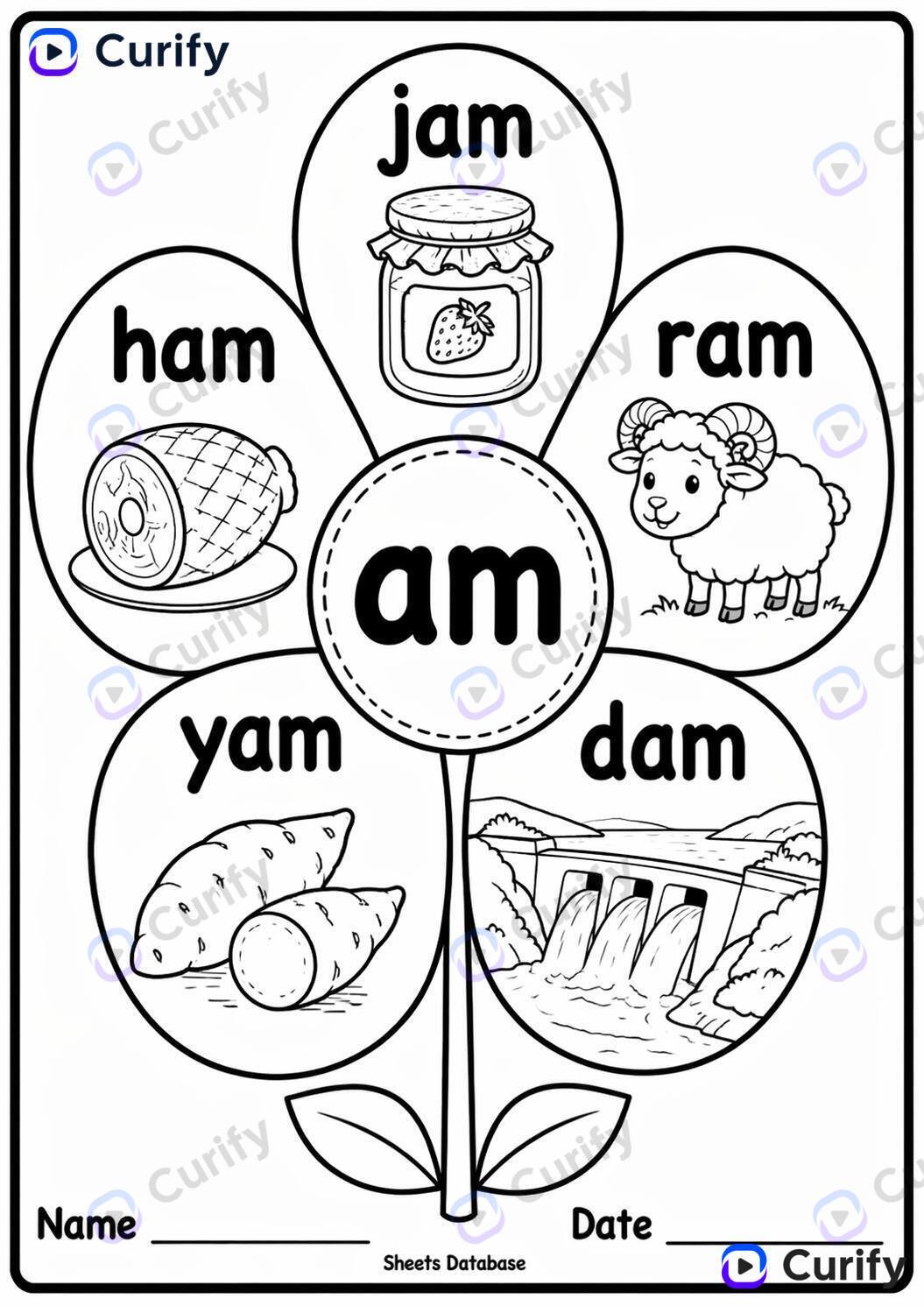
Phonics Flashcards: AI Templates for CVC Words, Sounds, and Early Reading
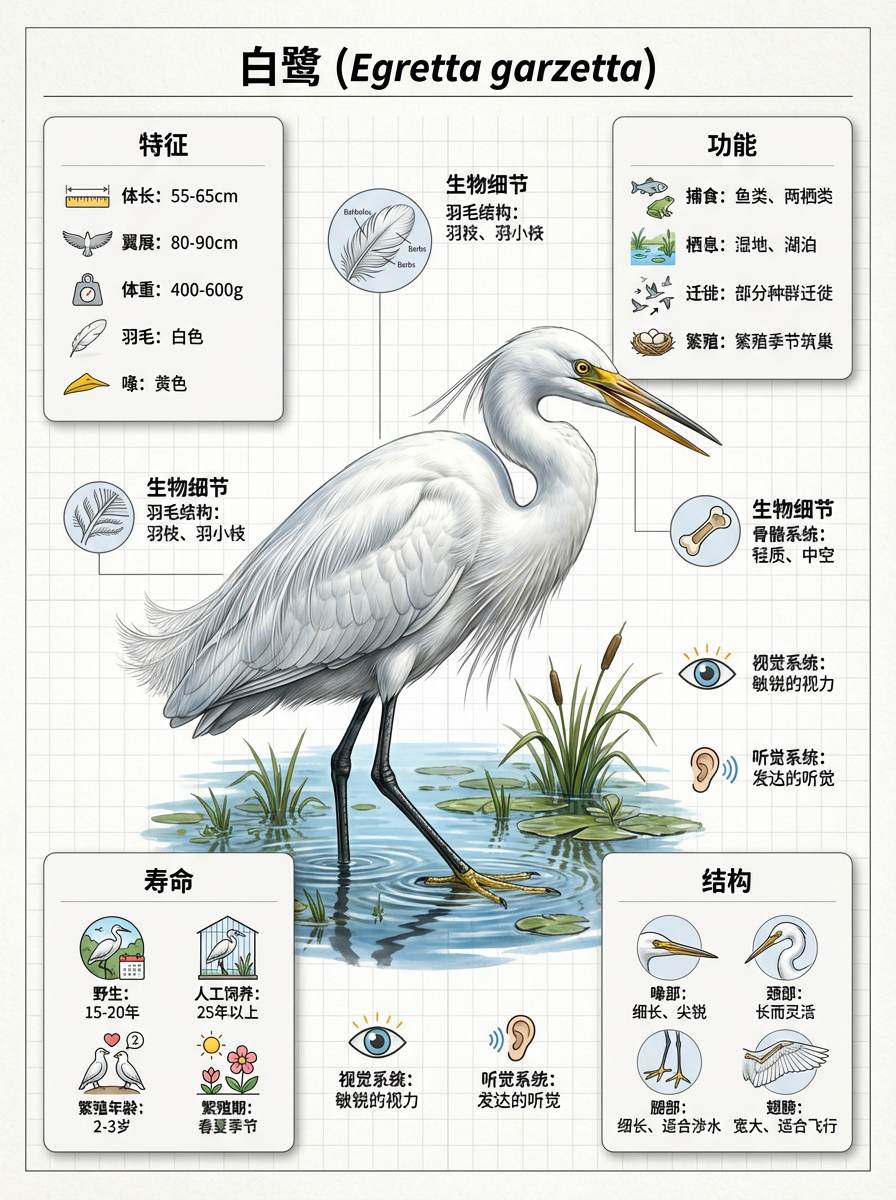
Subject Flashcards with AI: Biology, Chemistry, and Science Cards That Stick